
Make Your Featured Projects Section Actually Stand Out
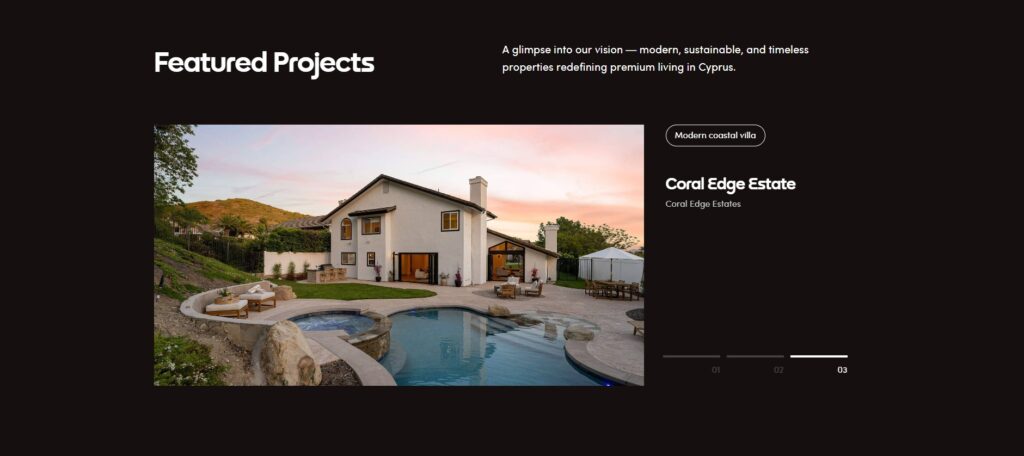
Make Your Featured Projects Section Actually Stand Out Better Featured Projects Section Make Your Featured Projects Section Actually Stand Out Without Additional Plugins I recently redesigned a Featured Projects section using Elementor Loop Grid, Advanced Custom Fields, and a bit of custom CSS to make it feel more intentional, interactive, and visually engaging. For this Featured Projects section, the goal was to keep the content flexible while giving it a more distinctive visual treatment than a standard grid. Here’s a quick breakdown of how it was built. 1. Creating the Project Posts with ACF I started by creating the project entries using Advanced Custom Fields (ACF). Each project includes structured fields such as: Project name Tag Location Featured image Using ACF keeps the content clean, reusable, and easy to manage—especially when scaling the number of projects later. 2. Building the Layout with Elementor Loop Grid Once the fields were in place, I added an Elementor Loop Grid widget and connected it to the project post type. The layout was designed directly inside Elementor, focusing on: Clear hierarchy Consistent spacing A compact, scannable card structure Loop Grid Template Layout(See Structure and Analyze) 3. Adding Numbers to the Bullet Points with JavaScript To add numbered indicators to the bullet points, I used a small JavaScript snippet. This script dynamically assigns numbers based on the item index, which keeps everything automatic and avoids hardcoding values. This approach ensures: No manual updates when items are added or removed Cleaner markup Better long-term maintainability 4. Styling the Bullet Points with CSS Finally, I applied custom CSS directly to the Loop Grid widget to transform the bullet points into horizontal bars and position the numbers correctly. Most of the styling work focused on: Turning standard bullets into visual bars Aligning the numbers for better readability Keeping the design subtle but noticeable The full CSS code is included below so you can adapt it to your own layouts. Final Thoughts Combining ACF for structured content, Elementor Loop Grid for layout, and light JavaScript + CSS for enhancements makes it easy to build sections that feel custom without overengineering. Small details—like numbering, spacing, and visual cues—go a long way in making a section feel intentional and polished.
iThryv

Website Design + Build
WCG Finance

Website Design + Build
Better Alignment of Uneven Elements
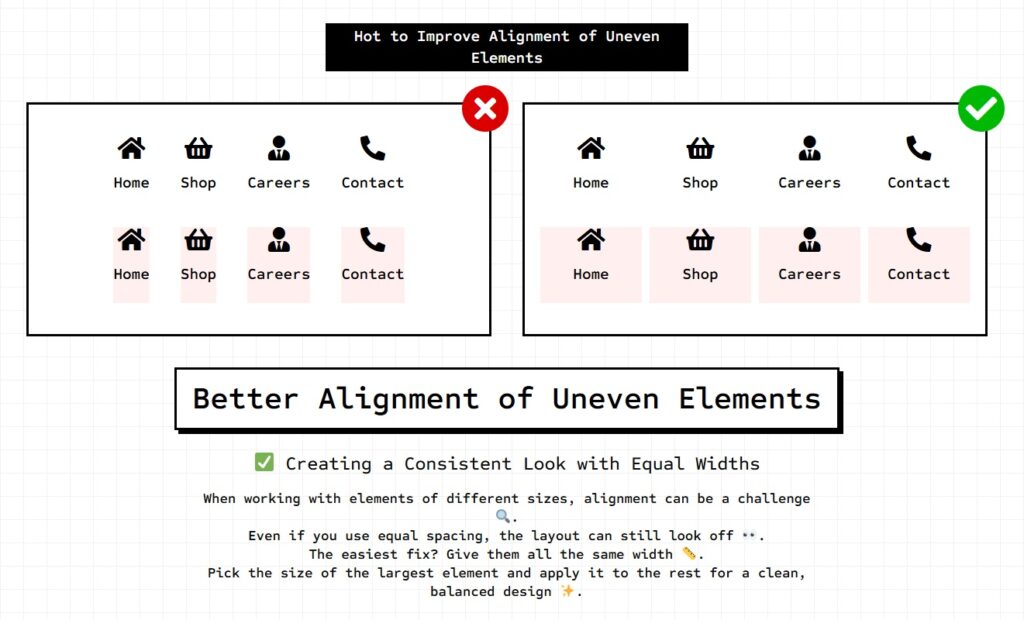
How to Improve Alignment of Uneven Elements Home Shop Careers Contact Home Shop Careers Contact Home Shop Careers Contact Home Shop Careers Contact ✅ Creating a Consistent Look with Equal Widths When working with elements of different sizes, alignment can be a challenge 🔍.Even if you use equal spacing, the layout can still look off 👀.The easiest fix? Give them all the same width 📏.Pick the size of the largest element and apply it to the rest for a clean, balanced design ✨. 🔥 Pro ELEMENTOR Tip: Perfectly Align Columns in Elementor with Flex Settings Want a sleek horizontal layout with equal-width items? Try this Elementor hack: 1️⃣ Set your Container Direction to Row (Horizontal) ➡️2️⃣ Switch Wrap to No Wrap 🚫3️⃣ Adjust the Columns Gap for perfect spacing 📏4️⃣ Set each element’s Width to 25% if there are 4 elements(100/number of elements) for four equal columns 🔥 ✅ Result: A clean, responsive design that looks amazing without extra widgets or complicated settings. ✨ Bonus Tip: Need 3 columns? Set width to 33.33%. Need 5? Go for 20%! 🎯 Home Shop Careers Contact Home Shop Careers Contact
Kelman Electric
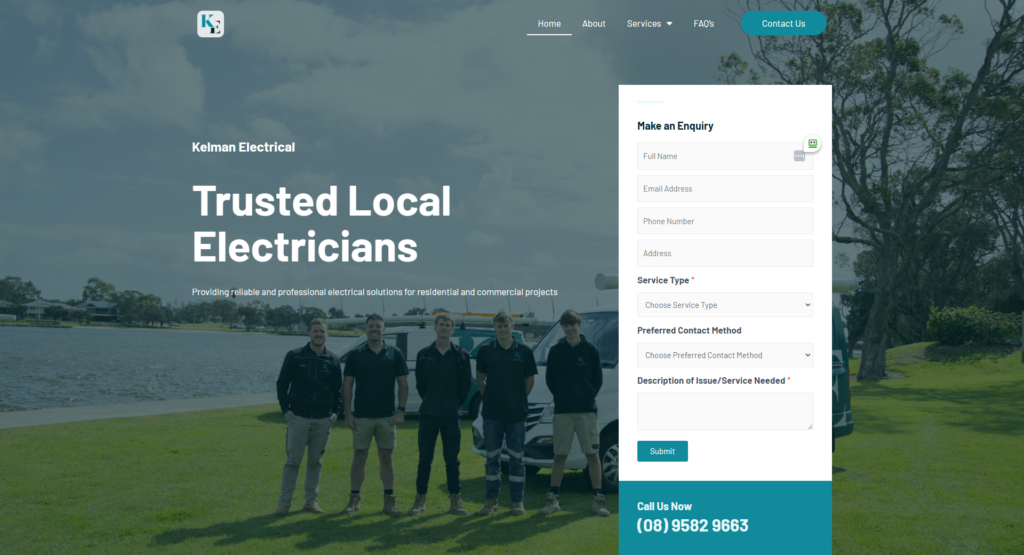
Website Build
Top Notch Tampa
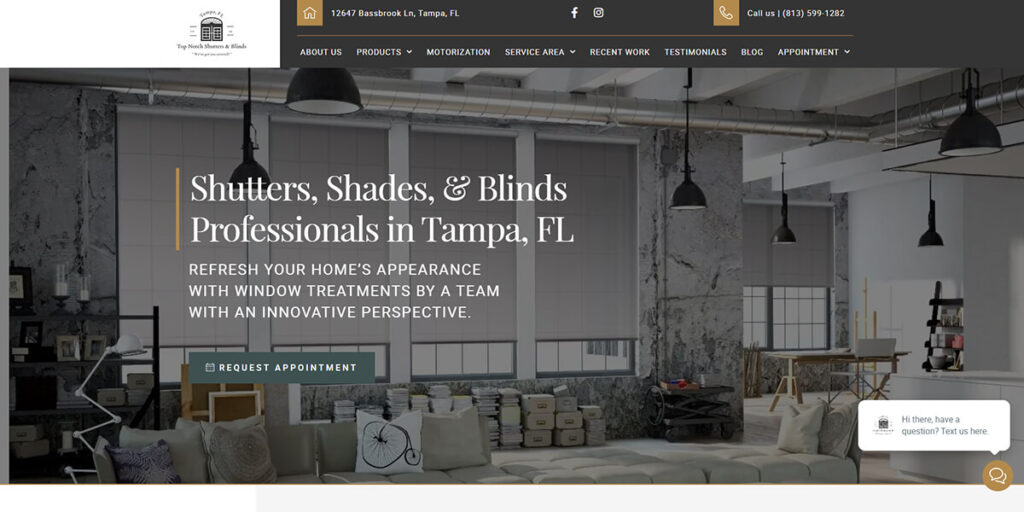
Website Build
The Window Design Studio
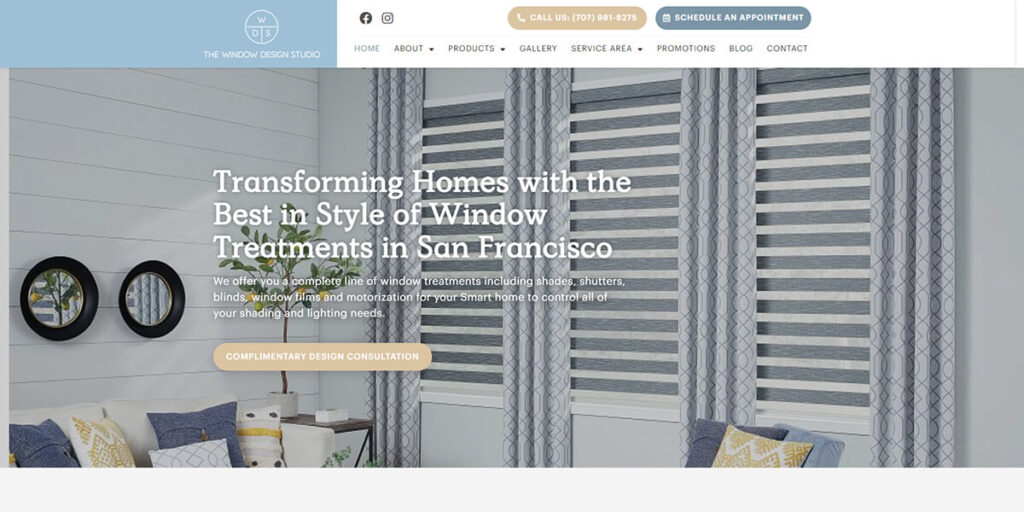
Website Build
The Custom Shade
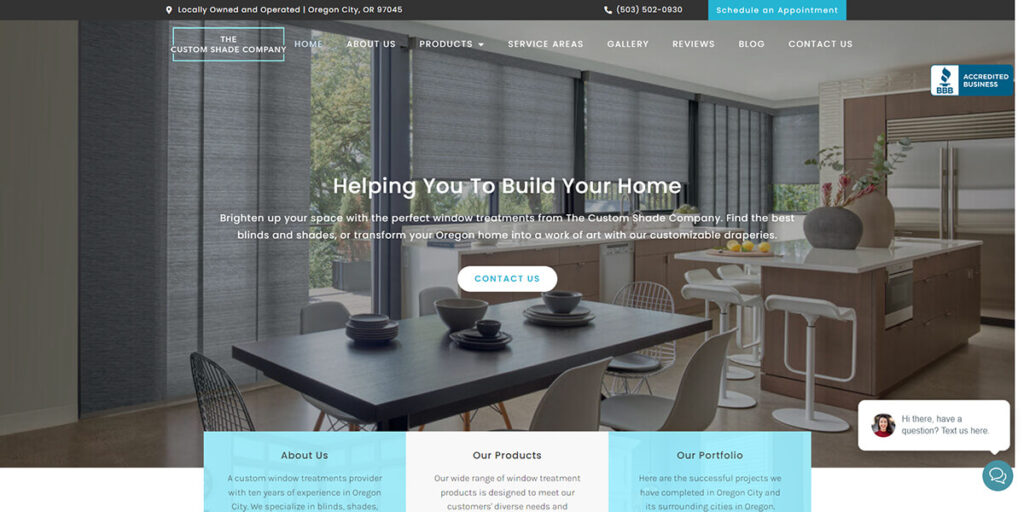
Website Build
Tampa Blind Pro
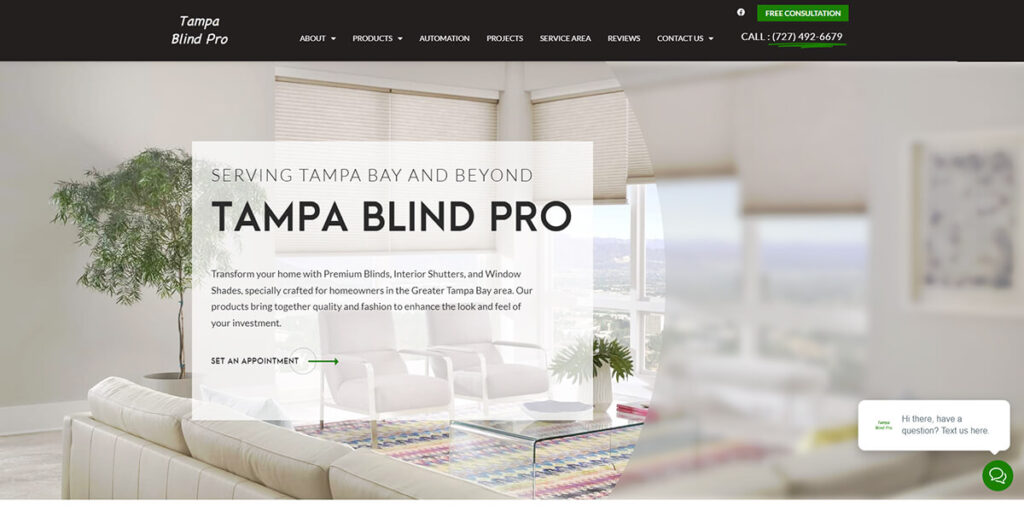
Website Build
WTMP Rebuild V2
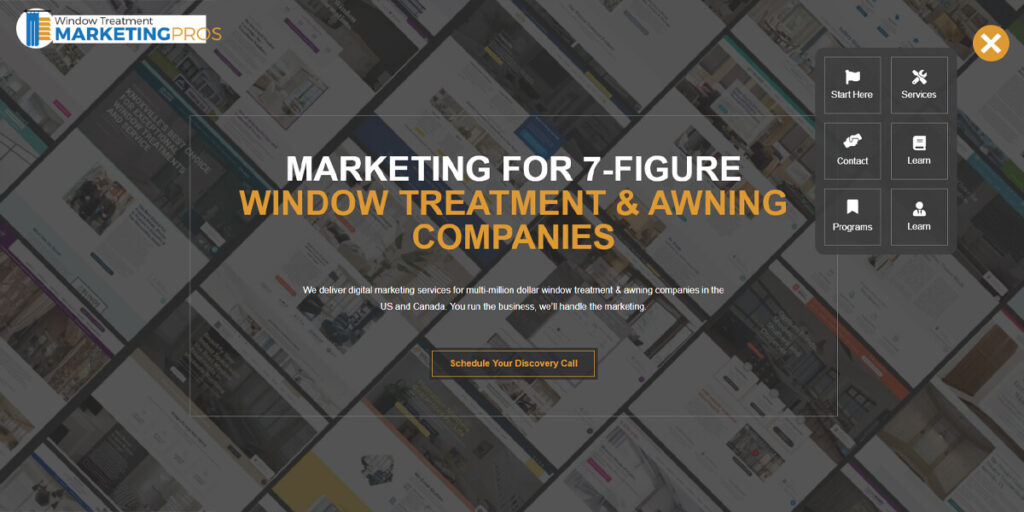
Website Build